

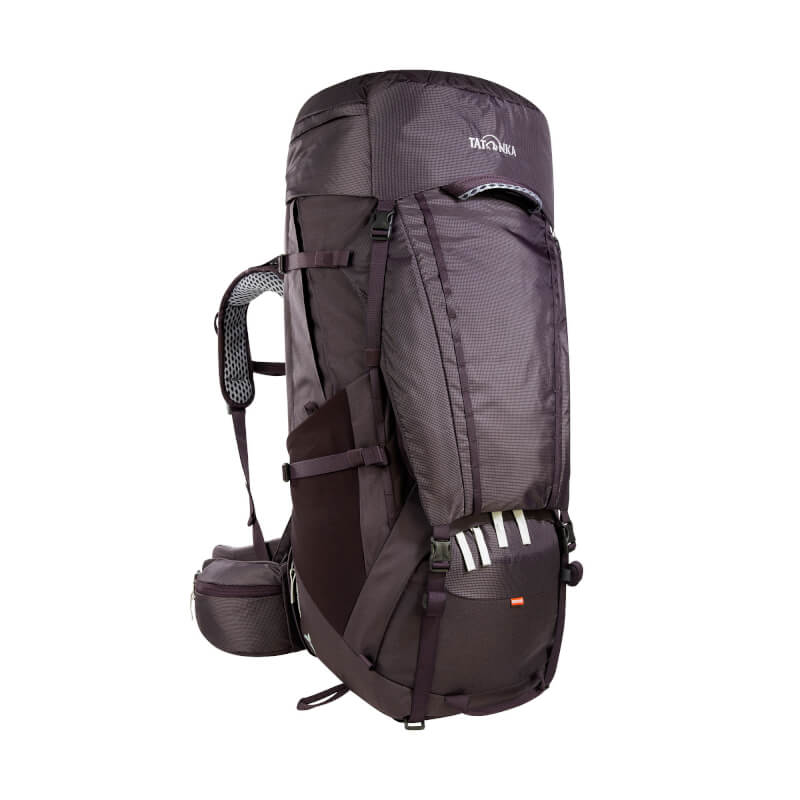
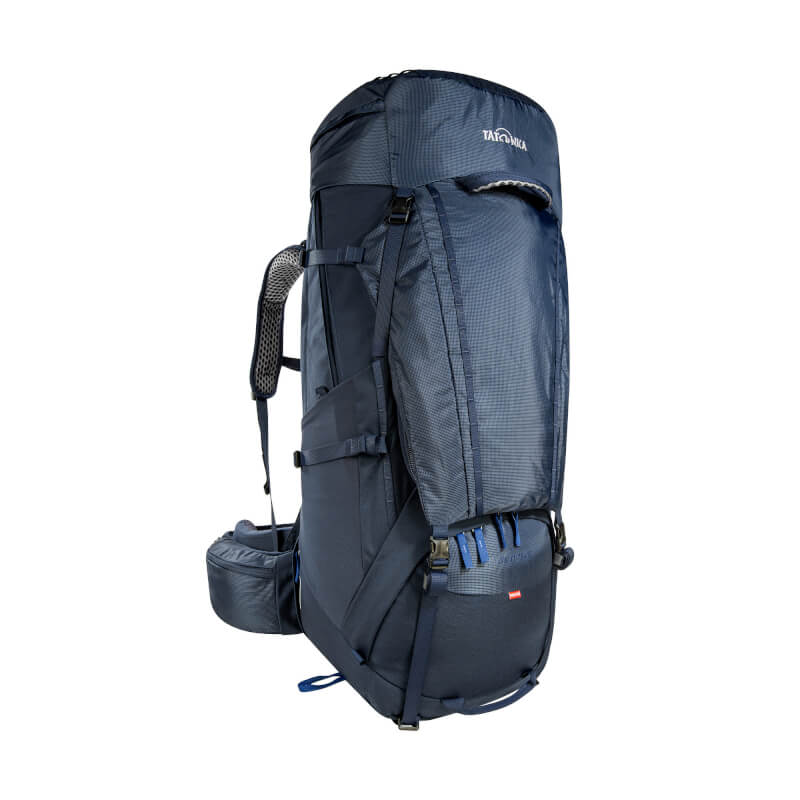
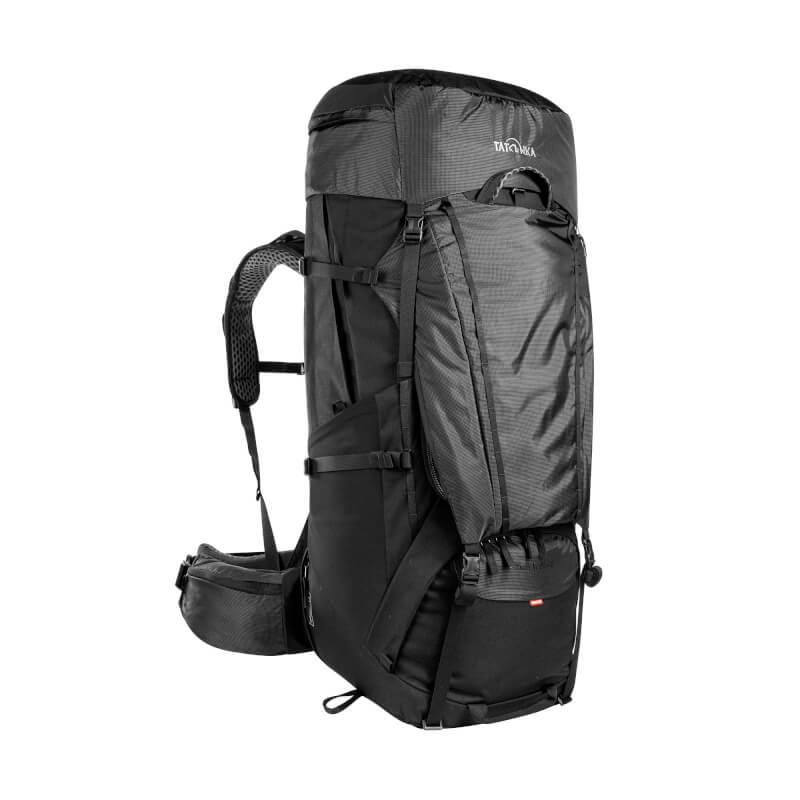
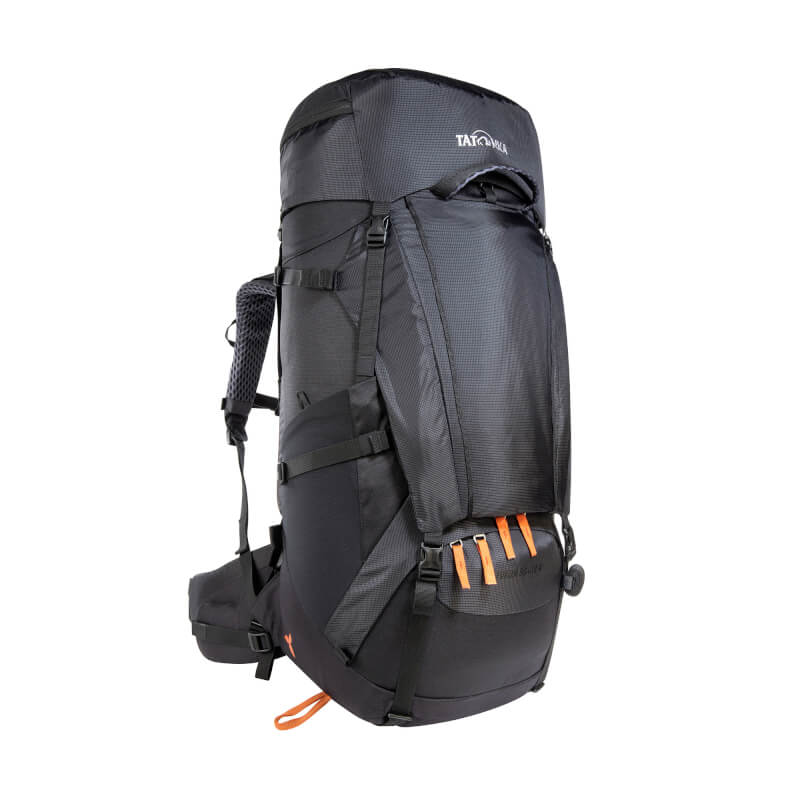
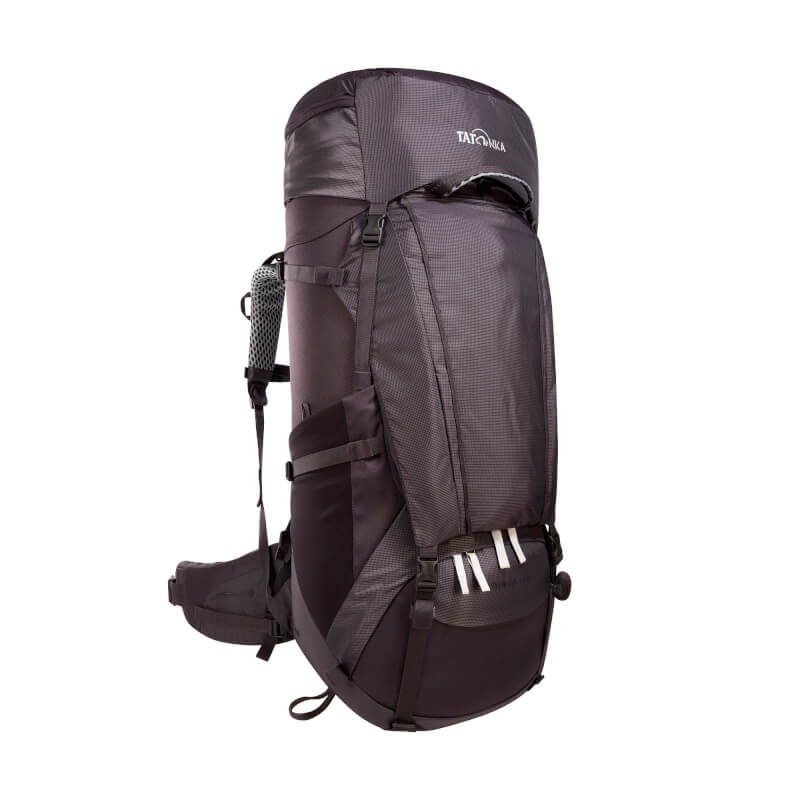
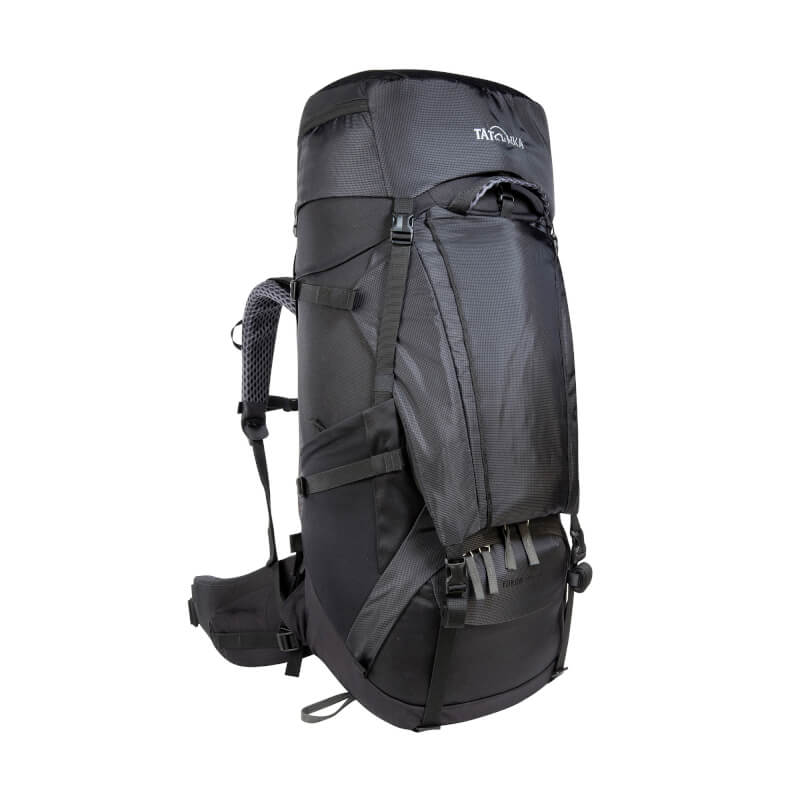

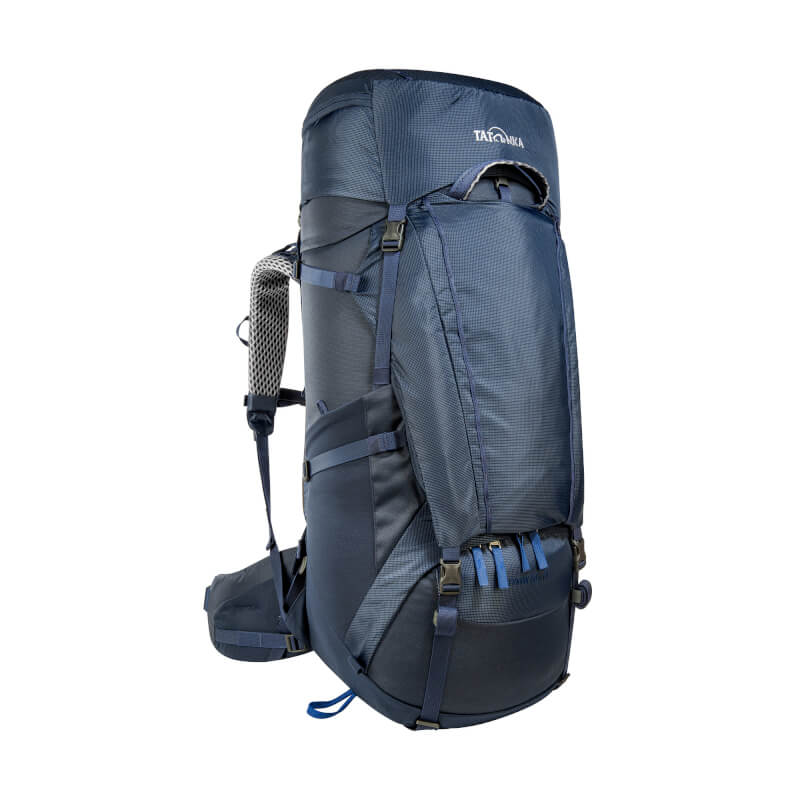
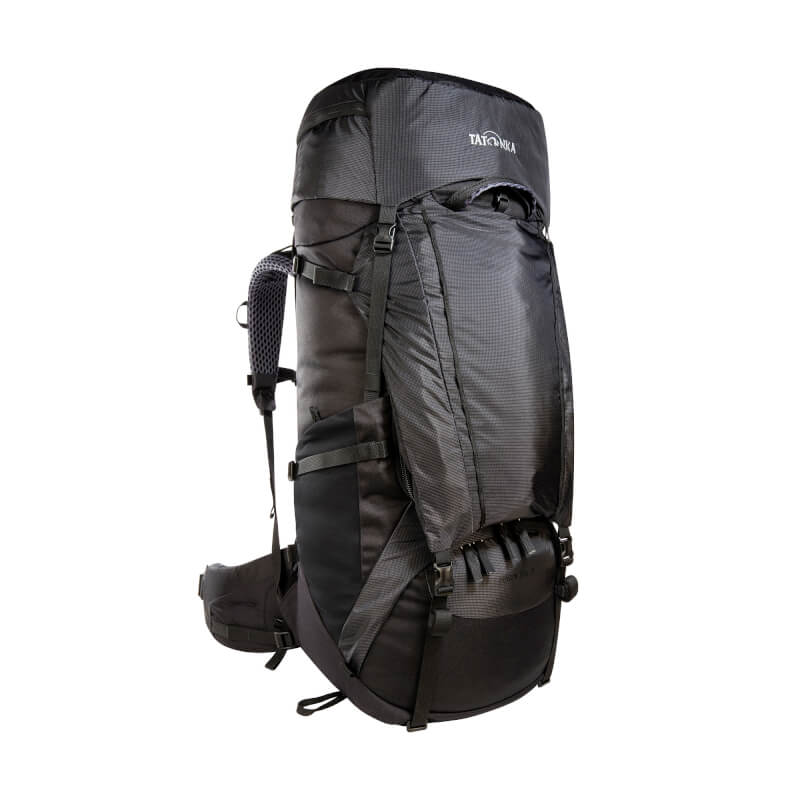
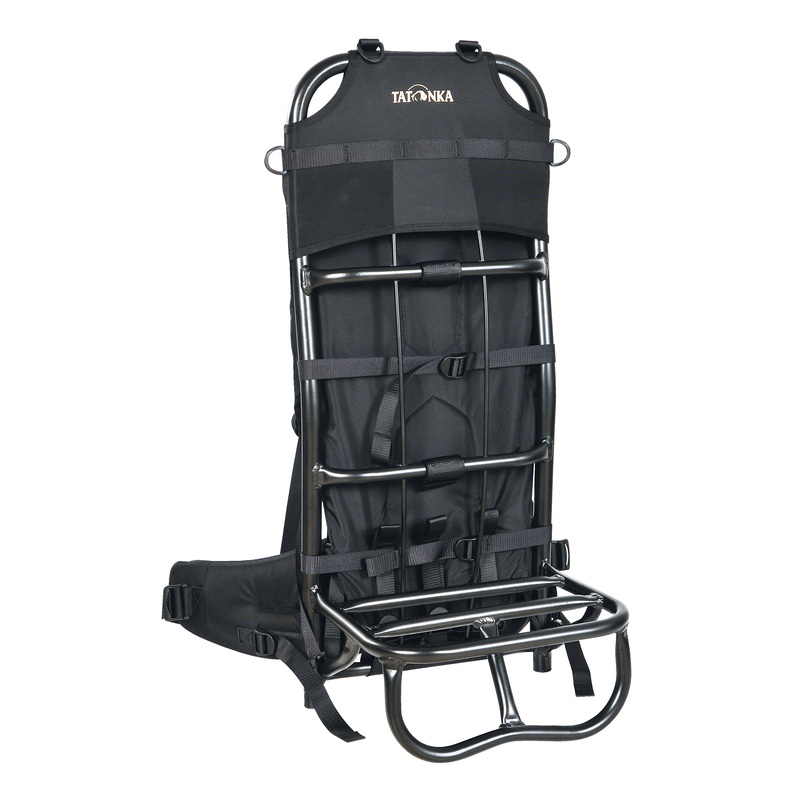

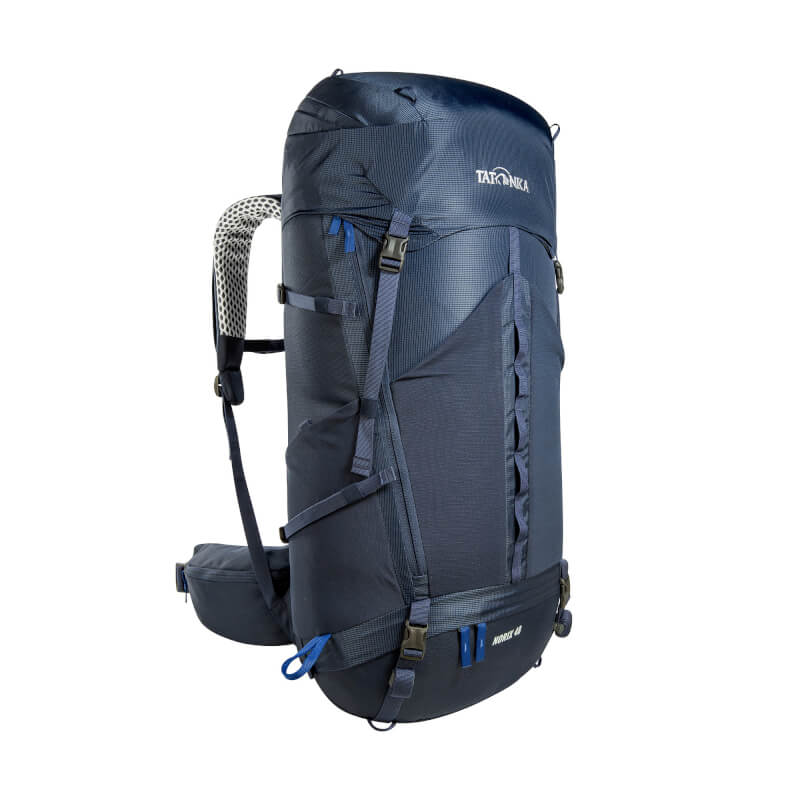
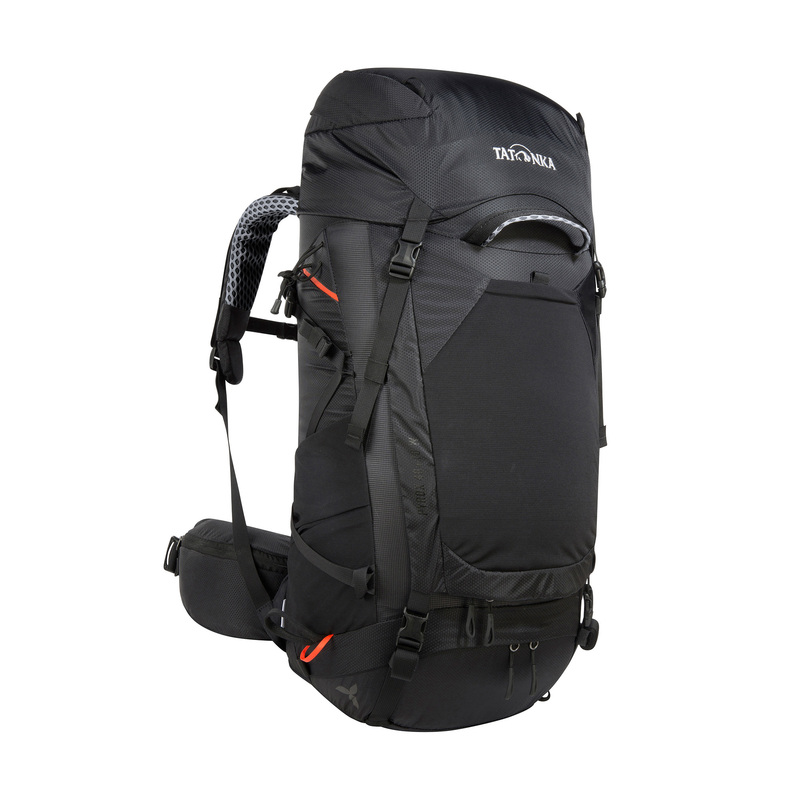
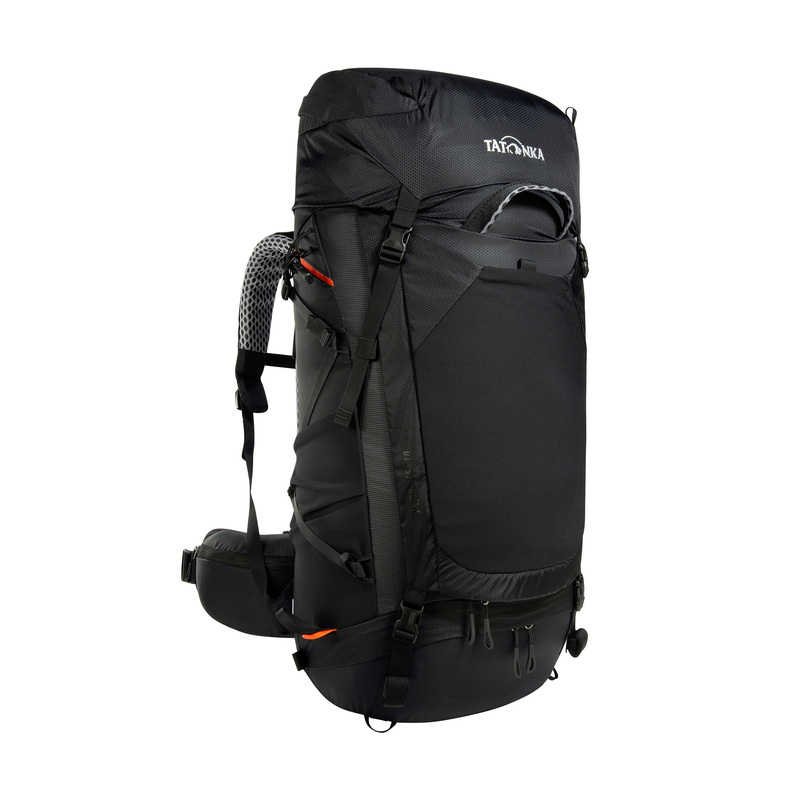
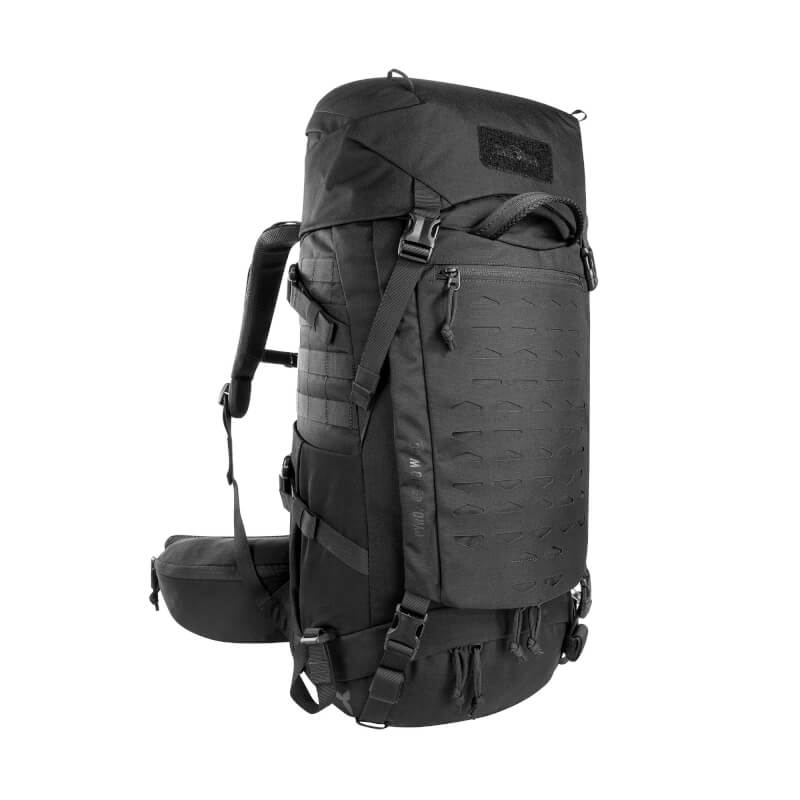
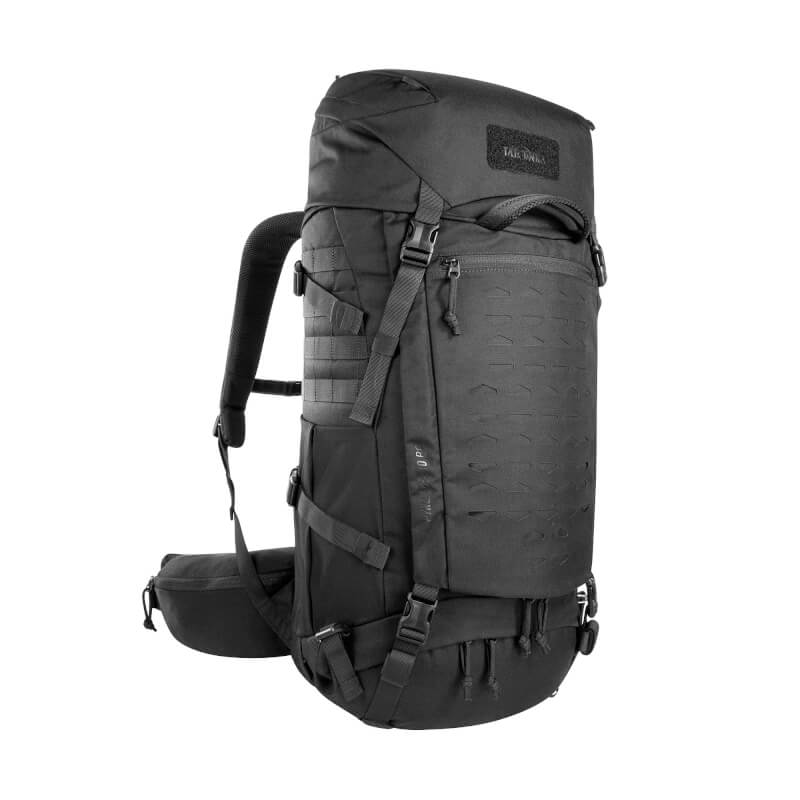
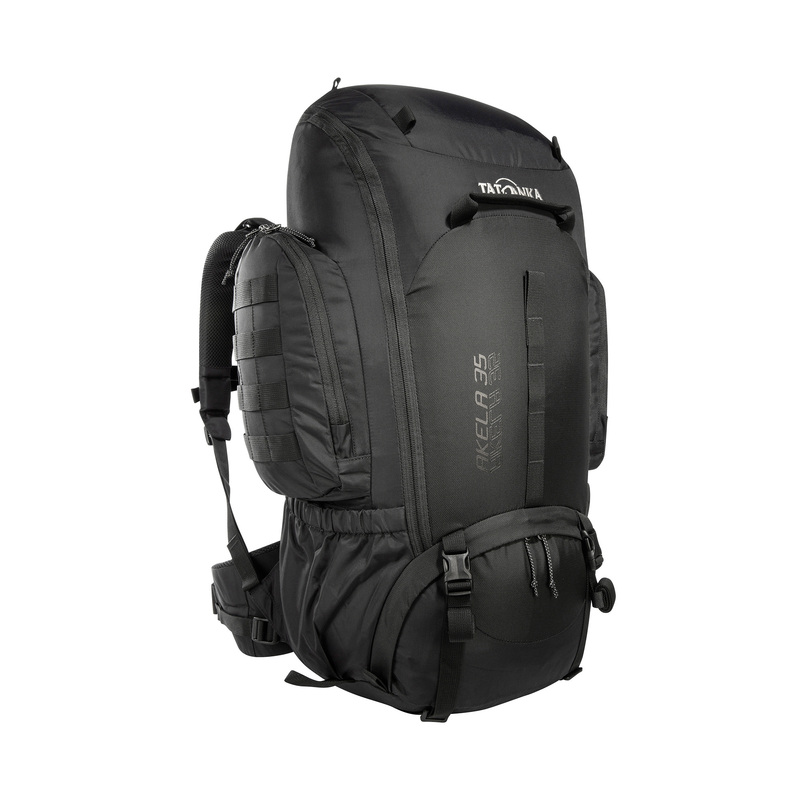
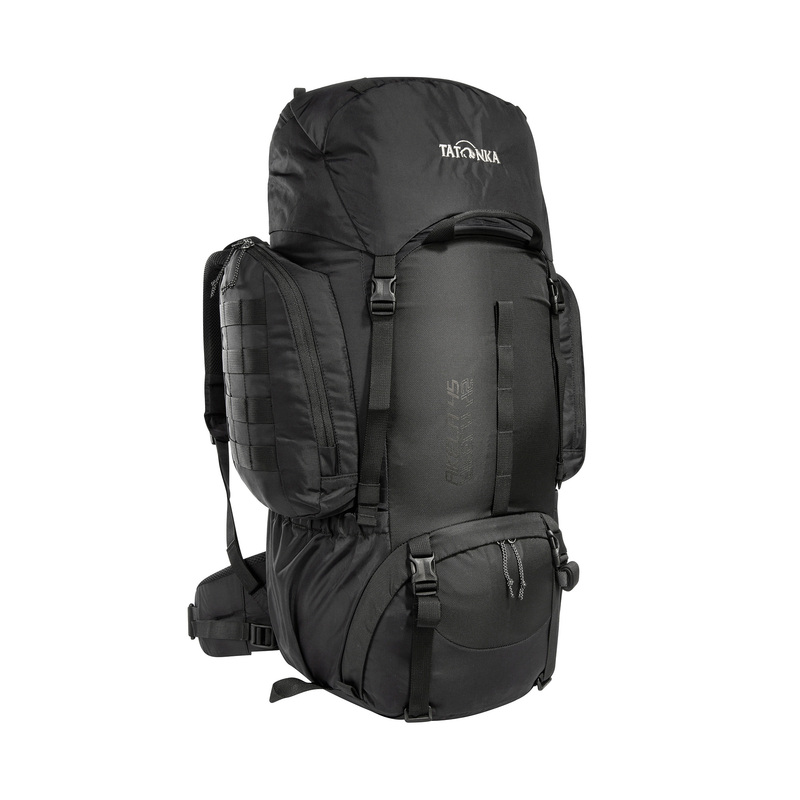
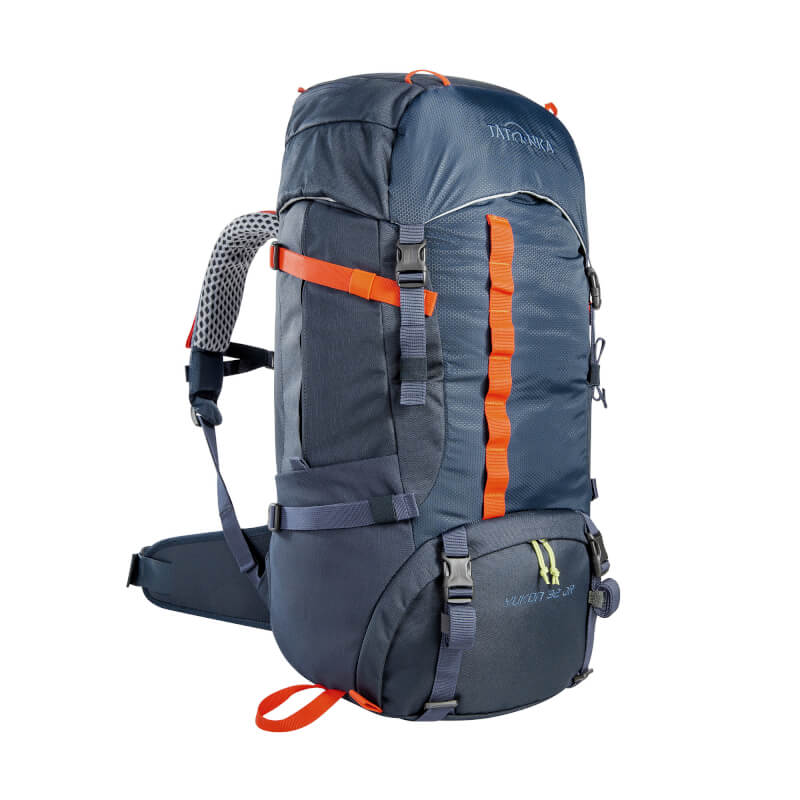
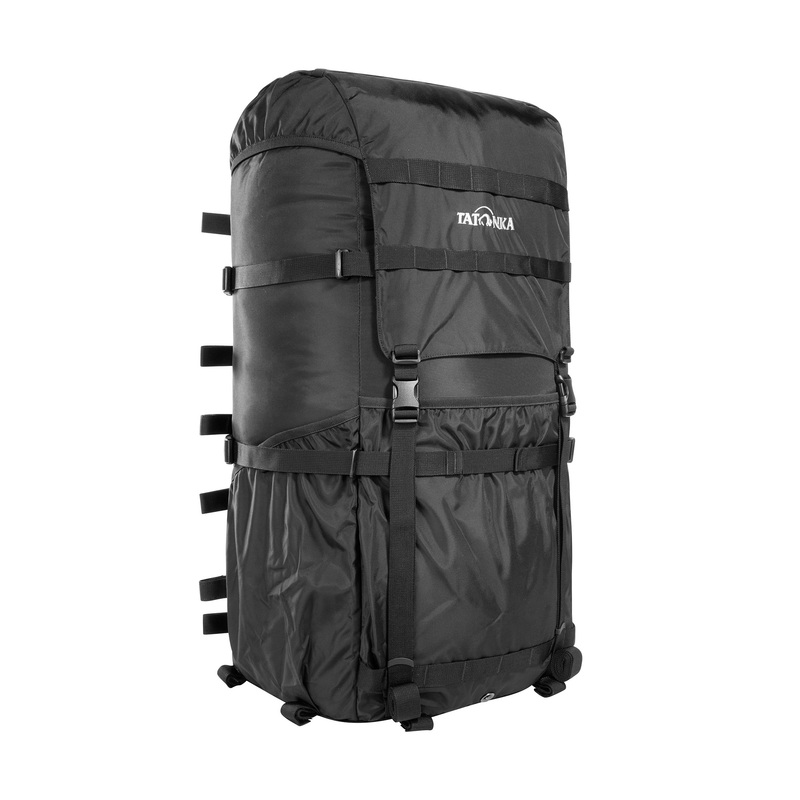

If you have a passion for adventure and long for freedom and independence, it’s time for an extended trekking tour. Your trekking backpack is your most important companion. The demands placed on a trekking rucksack are probably the highest in the outdoor rucksack family. It has to accommodate extensive equipment and should also be as comfortable as possible to carry. It must also be easy to handle, hard-wearing and durable.
Trekking backpacks offer a capacity of approx. 50-90 liters and high-performance carrying systems for loads between 15 and 25 kilograms – or even more.
The right backpack size depends first of all on what you plan to do with the trekking backpack. Under no circumstances should you choose according to the motto “the bigger, the better”, as even a fully packed 50-liter backpack can quickly weigh 18 kilograms.
As a rule of thumb, trekking backpacks with a volume of 50 to 60 liters are suitable for one to two-week trekking tours from spring to autumn. Trekking backpacks with a volume of 70 to 80 liters and above are designed for wilderness trips lasting several weeks, for trekking tours in winter or for expeditions. In other words: the more equipment you have to take with you, the bigger the trekking backpack needs to be.
However, your height also plays an important role in choosing the right trekking backpack. If you are petite, a smaller trekking backpack will generally fit you better, whereas if you are very tall, you will need a larger backpack simply because of the correct positioning of the hip belt.
As a trekker, you carry all your luggage including sleeping bag, tent, sleeping mat, cooking utensils and food on your back, so the performance of the backpack carrying system is the most important purchase criterion for you: it must adapt comfortably to your back and transfer the main part of the load from your shoulders to your pelvis to relieve the strain on your spine. For this to work optimally, you need to place the hip belt in the middle of your hips. This is why you can adjust our trekking backpack carrying systems to your own back length. The carrying systems of our women’s backpacks are also optimally adapted to the female physique.
Tatonka offers trekking backpacks with different carrying systems for medium to very heavy loads. The more load the carrying system can carry, the more stable and complex it is designed and the better the load transfer to the pelvic area – even if you don’t push the pack weight to the limit.

The height-adjustable V Comfort Vario carrying system offers solid load transfer to the pelvic area for loads up to 15 kilograms.
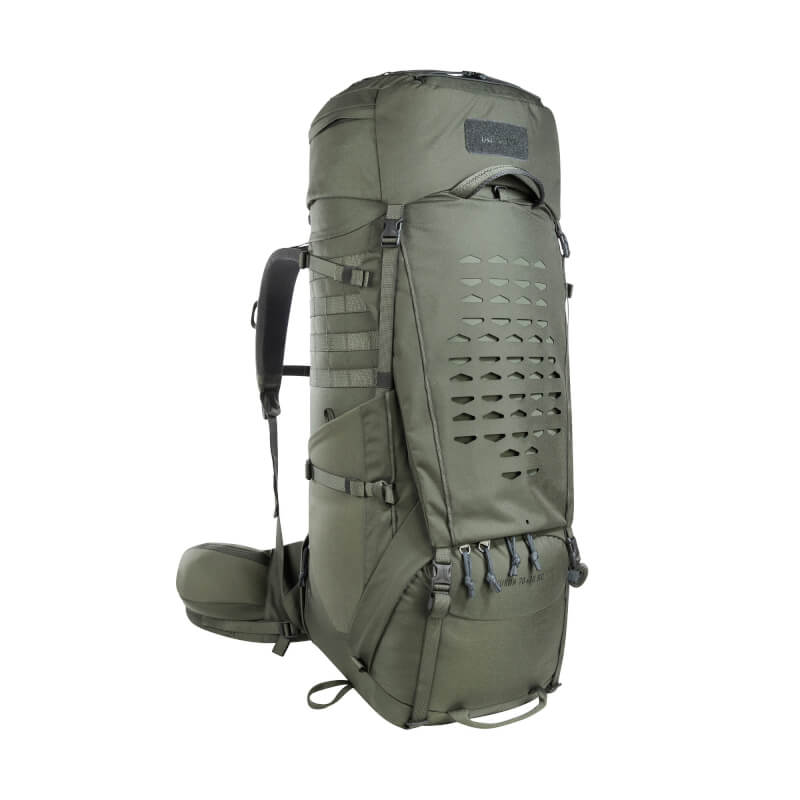
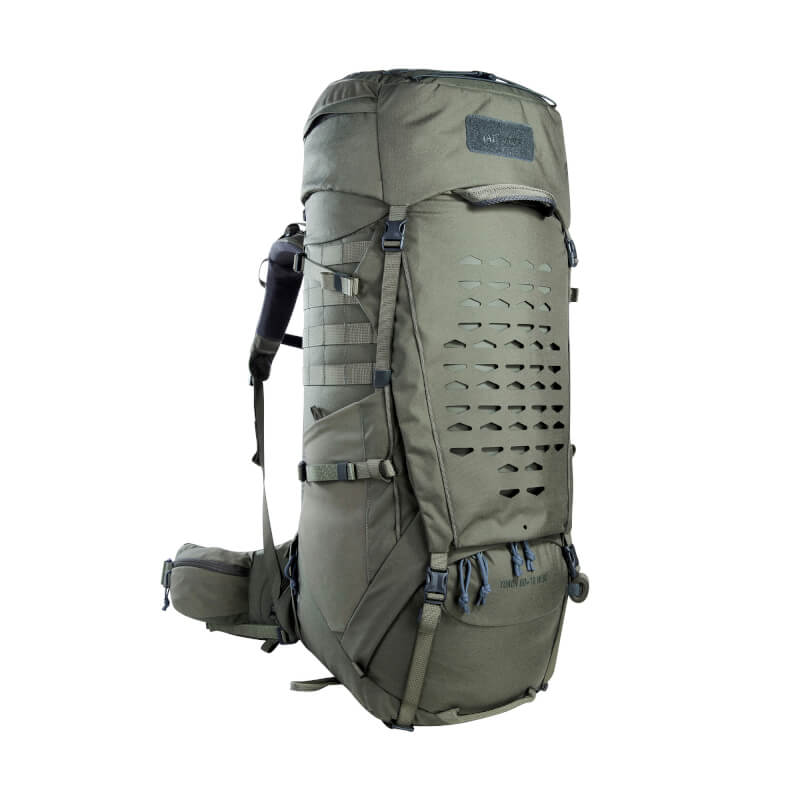
Trekking backpacks with V Comfort Vario-System / V Comfort Vario-System Women are, for example, the Pyrox 40+10 Women and the unisex model Pyrox 45+10 or our special bushcraft versions Pyrox 40+10 Women BC and Pyrox 45+10 BC.

The size-adjustable Y1 basic back system is designed for loads up to 20 kilograms. The stable construction with ergonomic back padding and three-part hip belt offers good load distribution and comfortable carrying.
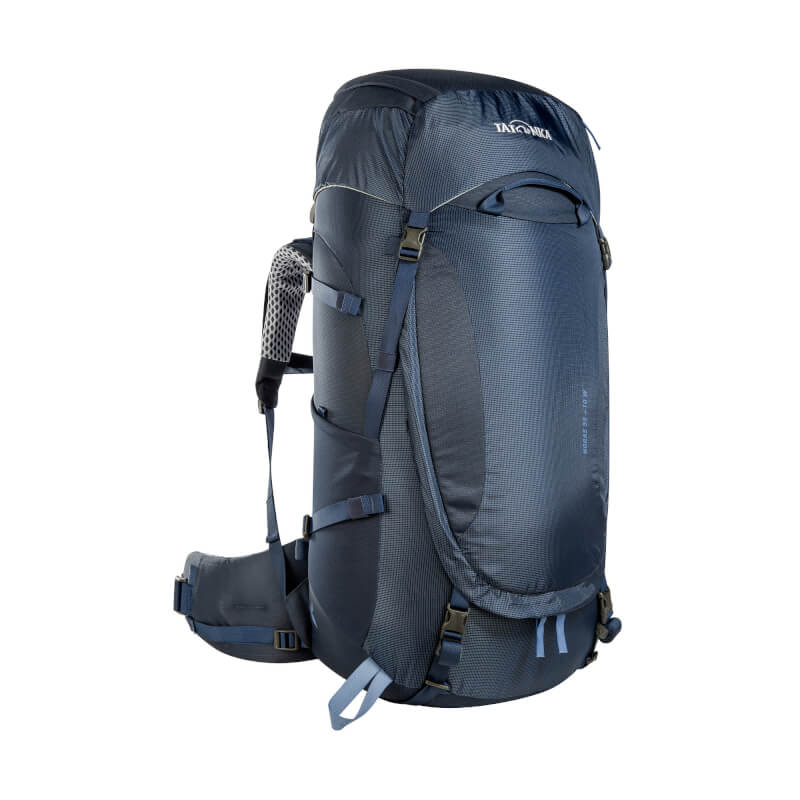
Our Noras 55+10 Women and Noras 65+10 trekking backpacks are equipped with the Y1 system.

The size-adjustable V2 carrying system of our tried-and-tested Yukon trekking backpacks has been developed for loads of up to 25 kg. A combination of aluminum and GRP rods ensures an excellent ratio of efficiency and flexibility in load transfer.
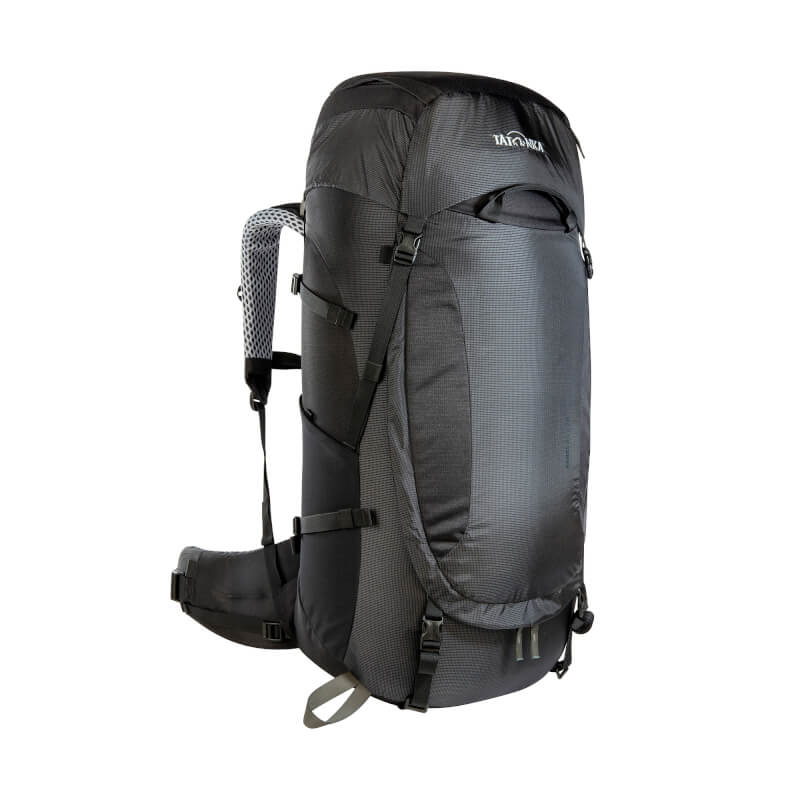
Our Yukon 50+10 Women, Yukon 50+10, Yukon 60+10 Women, Yukon 60+10 and Yukon 70+10, equipped with the high-performance V2 carrying system, are the perfect companions on extended trekking tours.

The size-adjustable X1 carrying system of our Yukon X1 backpacks has been specially developed for loads over 25 kg. Special attention was paid to ergonomics and adjustability. Hard-wearing materials, multi-layer construction and reinforcements in all the right places make the system stable and durable.
Suitable backpacks are the Yukon X1 65+10 Women, the Yukon X1 75+10 and the Yukon X1 85+10.
The division of the trekking backpack into a lid compartment, main compartment and bottom compartment is practical so that you don’t lose track of all your gear. You can pack the individual compartments independently of each other, and the large front opening into the main compartment also makes it easier for you to quickly access items that you have stored further down in your backpack. Large side pockets and a front pocket stow items that you want to have to hand at all times. Material loops allow you to attach additional equipment and compression straps secure your luggage in the backpack. The hydration system allows you to stay hydrated without taking the backpack off. A rain cover is also included in almost every Tatonka trekking backpack.
Depending on the area of use and preferred activity, trekking backpacks are exposed to a wide variety of conditions and have to withstand a lot. That’s why Tatonka uses durable, hard-wearing and abrasion-resistant materials that reliably protect your luggage at all times.
Trekking backpacks from Tatonka are made from tear-resistant polyester and polyamide fabrics that are waterproof thanks to a multiple polyurethane coating on the inside of the fabric. The extremely robust CORDURA® material on the bottom of the backpack has proven to be reliable, which is why it is used in our Yukon trekking backpacks.
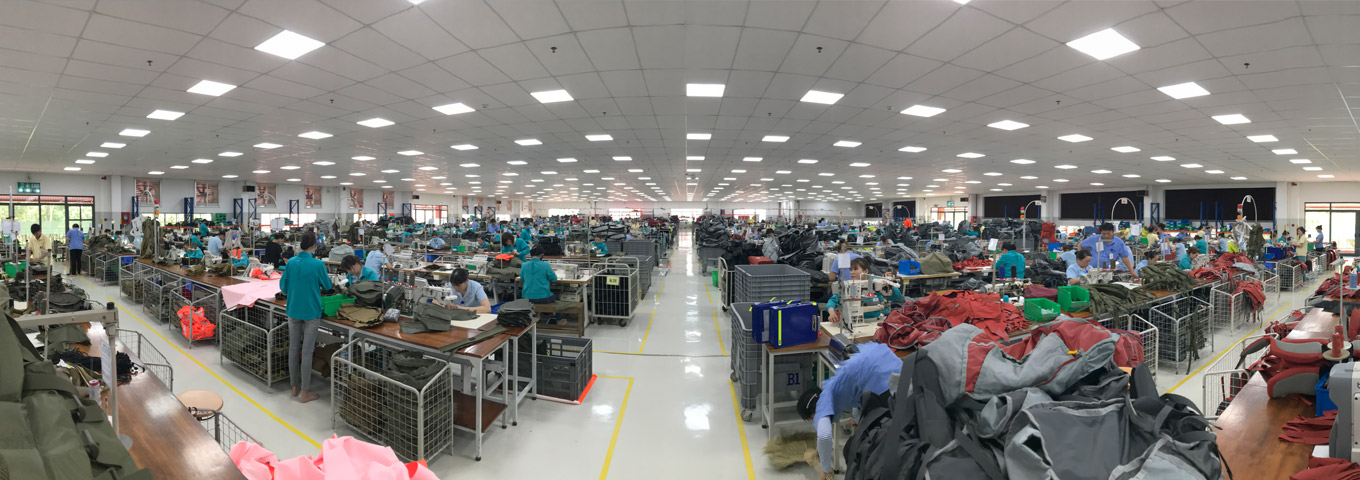
Tatonka backpacks are produced fairly in our own SA8000-certified production facilities. You can also see the high social standards for yourself through our Open Factory program: every Friday you can visit our Mountech Co. Ltd. factory in Ho Chi Minh City during ongoing production.
Our supply chain is also transparent: with our online tool Traceability by Tatonka, you can track the path of your purchased Tatonka backpack from material purchase to delivery.
As a proven backpack specialist, the Bavarian outdoor outfitter Tatonka has many years of expertise in the development of high-performance carrying systems. It is not for nothing that our trekking classic Yukon, for example, always receives very good ratings in independent tests. The same applies to all Tatonka trekking backpacks:
Finally, we have an important tip for you: You should definitely try out your new trekking backpack with a realistic weight to make sure it fits your build and meets your requirements.